Fleet Management for Municipalities: A Guide for Local Government
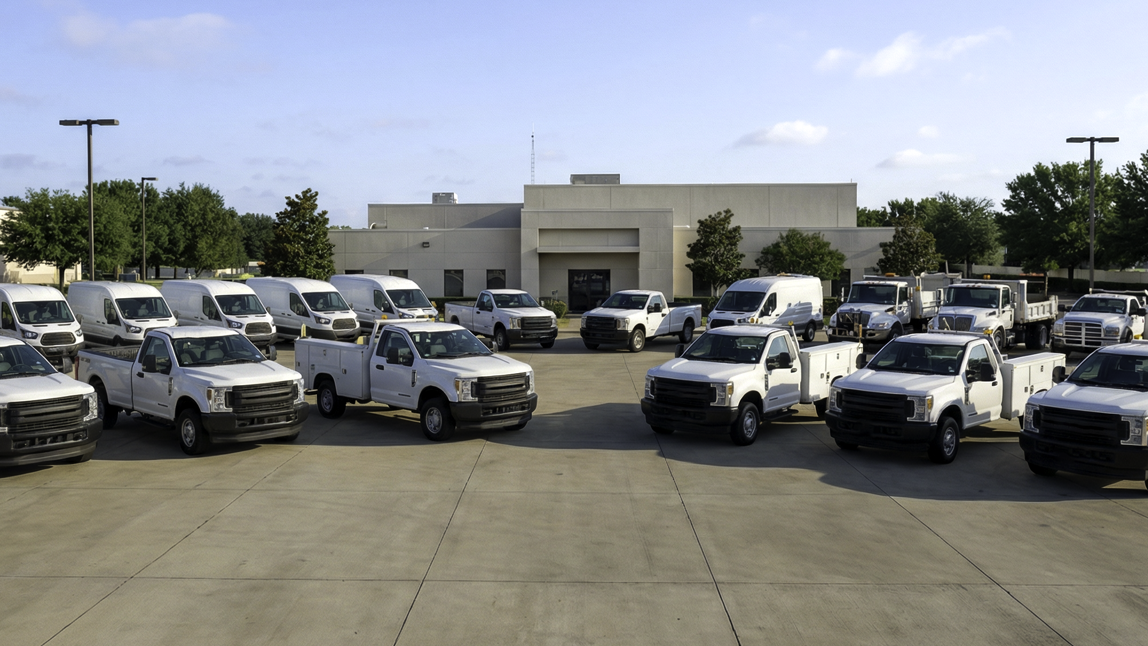
Fleet management for municipalities is one of the most demanding responsibilities in local government, requiring city administrators to balance operational complexity with strict accountability for every public dollar spent. On one side, you face the complexity of managing everything from police cruisers and fire trucks to snowplows and water utility vans. On the other side, you're under unrelenting pressure to manage public dollars wisely.
Every gallon of fuel and every maintenance invoice is, quite literally, the taxpayers' business. At the same time, the public demands nothing short of top-notch service. Municipal budgets are tighter than ever, and there is an increasing demand for transparency and budget efficiency. You and your fellow city administrators or public works directors know that technology could be a solution. A fleet management system would help streamline operations, save money, and provide data that proves your accountability to the public. The common concern is that these systems are expensive and complicated to manage.
Advances in technology have brought fleet management for municipalities well within reach of even small local governments. Modern municipal fleet tracking systems are affordable and just as powerful as those designed for big businesses. This guide covers the key features, cost considerations, and implementation steps for effective fleet management for municipalities, and explains why Bouncie is the right fit for local government.
The Unique Challenges of Municipal Fleet Management
The right fleet management system for municipalities must directly address the operational and financial realities local governments face every day. The four challenges below are the most common pain points reported by municipal fleet managers:
Many Different Vehicle Types and Varying Use Cases
A single municipal fleet might include heavy-duty construction equipment for public works, specialized emergency vehicles for police and fire, light-duty sedans for administrative staff, and specialized mowers for the parks department. Each category has different fuel needs, maintenance requirements, and depreciation scales.
Extreme Budget Constraints
Municipalities operate on fixed annual budgets. When fuel prices spike or a critical sewer vacuum truck breaks down unexpectedly, there isn't a "marketing budget" to pull from. Every dollar spent must be justified to a city council or a board of aldermen, making cost-containment a constant priority.
Complex Compliance and Audit Requirements
Public sector fleet management requires rigorous record-keeping. Whether documenting vehicle use for grant-funded programs or providing maintenance logs for state audits, records must be digital, searchable, and audit-ready.
Fleets With Aging Assets
Many small and mid-sized cities are forced to keep vehicles on the road long past their prime. Without a proactive tracking system, these aging assets are typically managed reactively, meaning repairs happen only after something fails, an approach that costs significantly more than preventive maintenance.
What Is Fleet Management for Municipalities? A Plain-Language Definition
Fleet management for municipalities refers to the coordinated system a local government uses to oversee, maintain, and optimize its vehicle assets, ranging from police cruisers and snowplows to utility vans and administrative sedans. While modern fleet management for municipalities relies on purpose-built technology, many local governments still manage their fleets manually through paper logs, spreadsheets, and whiteboards, an approach that limits visibility, increases error risk, and makes compliance reporting significantly harder.
A modern, technology-based municipal fleet tracking solution typically includes these features:
- GPS tracking: A GPS device offers real-time visibility into vehicle locations. Historical logs of routes traveled are typically included.
- Maintenance oversight: The system may provide automated alerts for when oil changes, tire rotations, and other services are due, based on engine diagnostics from the vehicle's computer.
- Fuel management: By monitoring idle time and unauthorized vehicle use, the tracking system helps curb waste.
- Driver accountability: Some platforms can track instances of speeding, harsh braking, and going off-route.
Key Features Municipal Fleets Should Look For
Not every fleet management platform is built for the public sector. The features below are the ones that matter most for municipal fleet managers, each tied directly to a real operational or accountability need.
Real-time GPS tracking: By viewing a single map, you can see the current location of all city vehicle assets. If a citizen calls to report a missed trash pickup or a water main break, you can quickly see which crew is closest to the scene and dispatch more efficiently.
Trip and route history: By logging every trip, municipal fleet management provides true transparency. If a resident claims a city vehicle was speeding through a neighborhood or parked at a residence for two hours, you can review the route the vehicle took. The data will either exonerate the employee or prompt you to take corrective action.
Idle time monitoring: Municipal vehicles may idle during utility repairs or when the police have a slow night. This wastes fuel and causes unnecessary engine wear. By monitoring for these moments, managers can address the issue and potentially save thousands in fuel costs annually.
Vehicle diagnostics and maintenance alerts: Some municipal tracking systems connect to the vehicle's OBD-II port for direct access to its on-board diagnostic system. This enables instant notifications for check engine alerts and diagnostic trouble codes, and allows fleet managers to proactively monitor battery health and other vehicle conditions before a driver ever reports an issue.
User roles and permissions: A city administrator might need to see the entire fleet, but the parks superintendent only needs to see the mowers and trucks under their jurisdiction. Some systems support multiple users and permissions, ensuring everyone gets the access they need.
How GPS Tracking Improves Public Accountability
GPS-based fleet tracking gives municipal managers verifiable, time-stamped data they can use to respond to citizen complaints, support budget reporting, and demonstrate responsible use of public resources. Here are the three primary ways it improves public accountability:
- Verifying service: When a city can prove that a snowplow cleared a specific street at 4 am via GPS data, managers can neutralize citizen complaints.
- Data-driven accountability: Officials can counter the claim that city employees “sit around all day” with hard data showing where they’ve been.
- Verifiable metrics: Grants for infrastructure improvements typically require detailed reporting on vehicle usage. Fleet management systems can automate data collection while improving reporting accuracy. This puts the city in a good position for future funding. Posting these metrics on city websites can also help increase public trust.
How Fleet Management for Municipalities Reduces Costs and Improves Efficiency
Procurement officers and public works directors at small and mid-sized municipalities often assume that fleet management technology is out of reach financially. In practice, the upfront cost is modest, and the operational savings from reduced fuel waste, fewer emergency repairs, and lower insurance exposure typically deliver a measurable return on investment within the first year.
Some ways a municipal fleet tracking system saves money through efficiency include:
Reduced Fuel Expenses
By identifying excessive idling and optimizing routes to reduce unnecessary miles, cities can immediately reduce fuel consumption. Even a 5% reduction in fuel costs across a 50-vehicle fleet can save a municipality more than $20,000 over a fiscal year, depending on local fuel prices and vehicle class.
Extended Vehicle Life
Proactive maintenance is cheaper than emergency repairs. By accurately tracking mileage and receiving automated alerts, fleet managers ensure oil changes and inspections are completed on time, preventing catastrophic engine failure and extending the asset's usable life.
Lower Insurance Premiums
Driver behavior monitoring features track things like vehicle speed or harsh braking. This encourages safer driving habits and provides opportunities for coaching. Fewer accidents result in lower insurance premiums and reduced exposure to costly legal claims against the city.
Implementation Considerations for Local Governments
A successful rollout of fleet management for municipalities requires planning. The four considerations below help ensure a smooth transition from manual processes to modern tracking technology, with minimal disruption to daily operations.
- Phased rollouts: Start with one department to validate the system before expanding to the full fleet. This approach allows time to address any configuration or workflow issues before a citywide rollout.
- Employee transparency: Explain to city workers that the system is a tool for safety and efficiency, not surveillance. Frame it as a way to protect them from false accusations by the public, not to catch employees doing something wrong.
- Union considerations: In some jurisdictions, the implementation of tracking technology may be a subject of collective bargaining. Engaging union leadership early reduces the risk of delays or grievances during rollout.
- Data privacy concerns: Ensure the chosen solution has robust security protocols to protect sensitive location data, particularly for law enforcement vehicles.
Why Bouncie Is a Smart Solution for Municipal Fleets
Most municipal fleet managers face the same dilemma: enterprise-grade fleet systems offer the right features but carry price tags and contract terms that fall outside public sector budgets. Lower-cost alternatives often cut corners on the features government fleets actually need. Bouncie was built to close that gap.
Bouncie delivers the core features municipal fleets require, at a price point and deployment model designed for local government budgets and procurement workflows.
- Simple OBD-II Installation: You don't need a professional to install Bouncie. You simply plug it into the vehicle's OBD-II port, a standard for all automobiles since 1996. There is no downtime required; just plug it in, activate, and get started tracking your vehicles. Most municipal managers could equip their entire fleet with Bouncie in a single afternoon.
- Affordable and scalable: With a flat monthly fee and no long-term contracts, Bouncie allows procurement officers to accurately forecast costs without worrying about budget overruns. You can add or remove Bouncie devices as your fleet expands or contracts, making it the most scalable solution on the market.
- User-friendly software: Supervisors can access the Bouncie platform via a web dashboard or the intuitive Bouncie mobile app. With Bouncie, it's equally easy to manage crews from the office or the field.
- Reliable Hardware: Designed for durability, Bouncie hardware is built for continuous, reliable performance across all vehicle types in a municipal fleet, ensuring tracking data is available when managers need it most.
FAQs About Fleet Management for Municipalities
The following questions address the most common concerns municipal fleet managers raise when evaluating a fleet tracking system.
Is GPS tracking legal for government vehicles?
Yes, courts have consistently held that government-owned vehicles used for public business can be tracked. However, you should check the local privacy laws in your state or local jurisdiction for guidance on informing city employees about how they will be tracked.
Can different departments have separate access levels?
Yes, most modern systems support multiple users. Bouncie allows a system admin to invite other users to track specific vehicles, so that the Water Department doesn't have to see police cars or fire trucks on their dashboards.
How does fleet tracking improve budget transparency?
Municipal fleet tracking systems provide hard data on fuel usage, idle times, and maintenance costs. This allows officials to present clear, evidence-based reports to the city council during budget season.
What types of municipal vehicles can use GPS tracking?
Any vehicle with an OBD-II port (standard on most vehicles manufactured after 1996) can use Bouncie. This includes sedans, pickup trucks, and many light or medium-duty work trucks.
How quickly can a municipal fleet management system be deployed?
With plug-and-play solutions like Bouncie, a fleet can be fully online within minutes of receiving the hardware. There is no need for complex wiring or specialized software installation.
Start Smarter Fleet Management for Municipalities Today
The tools to manage a municipal fleet with real-time data, automated alerts, and verifiable accountability are available today, and they are more affordable and easier to deploy than most city administrators expect. As citizens demand greater transparency and budgets become more constrained, these systems provide the answers city managers need.
Whether it's streamlining snow removal or ensuring the police fleet is in peak condition, the right technology turns data into a better-run city. Bouncie is the only platform that provides all the features a city needs to streamline fleet management, with affordability, scalability, and ease of use. It's time to move toward a smarter, more transparent future for public service. Explore how Bouncie makes fleet management for municipalities affordable, transparent, and easy to manage. Get started today.